TTDCRUTT 514
Carnival Cuts Half Its Australian Cruise Fleet
Carnival has cut half its Australian-based fleet, shrinking bookable capacity in a top cruise market and triggering rebooking and pricing questions for agents.
Itinerary
- Carnival has removed half of its Australian-based cruise fleet, per Yahoo Finance Australia.
- The cut reduces bookable capacity in one of cruising's strongest post-pandemic markets.
- Affected departures will require rebooking, with commission implications for agents.
- Competitor lines still in Australian waters stand to absorb displaced Carnival demand.
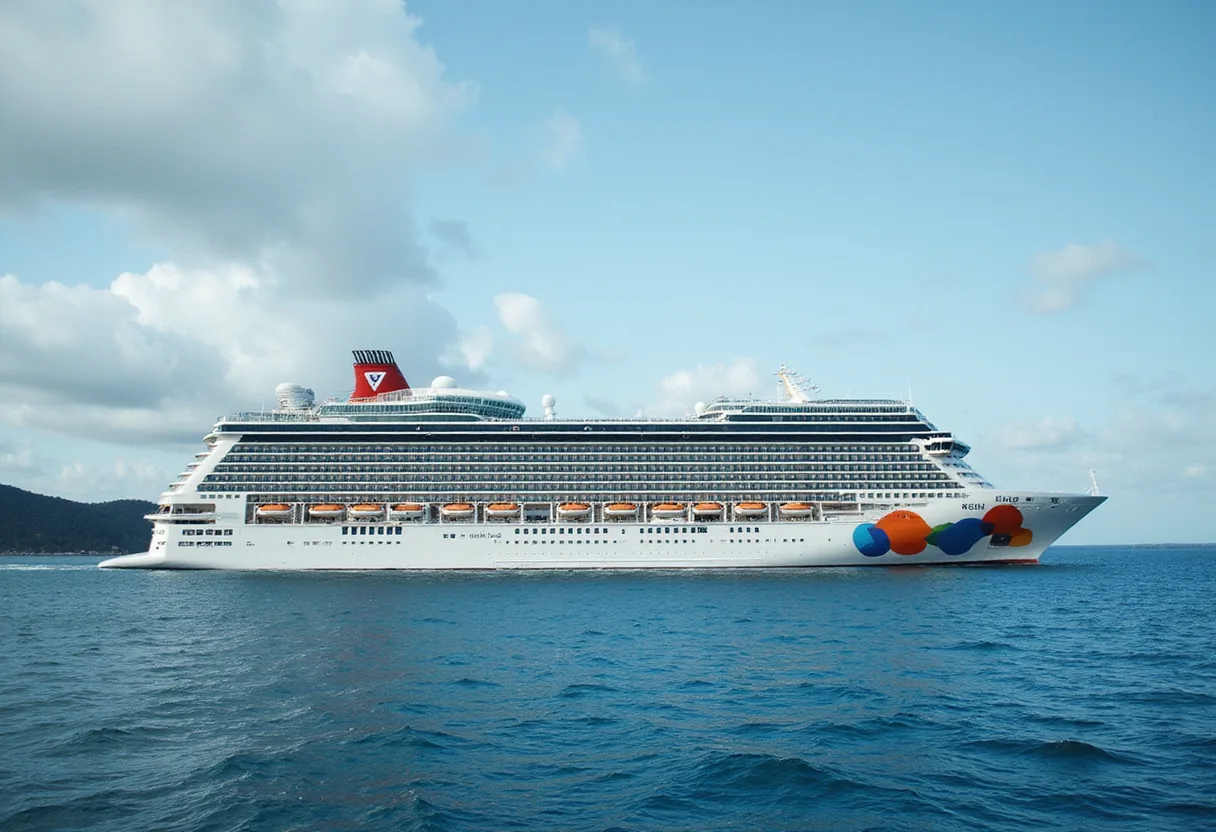
Carnival has removed half of its Australian-based cruise fleet, a capacity cut that directly reduces the berths travel sellers can book in one of the industry's strongest post-pandemic cruise markets.
The reported move affects the local lineup that Carnival Corporation operates under its Carnival Cruise Line brand in Australia. The scale is blunt: one in two ships goes. For agents, tour operators and distribution partners who package Australian departures, the immediate consequence is less inventory in a market where demand has consistently run ahead of supply since cruising resumed.
What does the cut change for sellers?
Fewer ships mean fewer sailings to sell, tighter cabin availability on remaining itineraries, and likely firmer pricing on the sailings that stay in the schedule. Any redeployment also forces rebooking workflows: agents with clients on affected departures will spend time managing changes, reaccommodating passengers and, in some cases, defending commissions on altered bookings.
Capacity cuts of this size rarely sit still. When a global operator pulls hardware from a national market, it usually reallocates those ships elsewhere in the portfolio — and redeployment decisions ripple through every market that receives the tonnage, not just the one that loses it.
Why does this matter beyond Australia?
Australia ranks among the world's top cruise markets by passenger source, and Carnival Corporation is the largest cruise operator globally by fleet size. A decision by the market leader to halve its local presence is therefore a signal about how that operator weighs regional demand against deployment economics elsewhere — fuel costs, dry-dock schedules, itinerary yields and the relative strength of other source markets all feed into that calculation.
For competitors still committed to Australian waters — P&O Cruises' successor operations, Royal Caribbean Group brands and local players — the withdrawal frees up demand that has to go somewhere. Sellers should expect rival lines to chase displaced Carnival customers with repositioned itineraries and agent incentives.
What happens next?
The specifics that matter most to the trade — which ships leave, when, where they go, and how affected bookings will be handled — will determine the real commercial impact for agents and operators. Watch for Carnival's deployment announcements and rebooking terms, because those details, not the headline, will set the cost of this cut for the people who sell the sailings.
In plain terms: half the local fleet is gone from the sales inventory, and every downstream effect — pricing, rebooking workload, competitor positioning — flows from that single reduction.
via Google News: Cruise industry (Source)
More from Tom Whitfield
Show full bio
Staff writer covering technology and product news in Tourism industry coverage for trade professionals at Travel Trade Desk.
414 articles